
Proteste im Iran: USA haben wohl 6000 Starlink-Antennen ins Land geschmuggelt
Die USA haben möglicherweise 6000 Starlink-Antennen in den Iran geschmuggelt, nachdem die Islamische Republik im Januar das Internet gesperrt und Proteste gewaltsam niedergeschlagen hat.

Starlink: Eine Weltraumfirma beeinflusst die Geopolitik
Eigentlich erfunden, um auch in den entlegensten Weltgegenden Internetempfang zu ermöglichen, hat sich Elon Musks Starlink zu einem wichtigen Kommunikationsmittel in Kriegs- und Krisengebieten entwickelt. Ein Überblick.

Wie Russland YouTube und WhatsApp blockiert
Immer mehr Websites und Messenger sind in Russland nicht mehr erreichbar. Die Menschen suchen Tipps gegen die staatlichen Sperren. Was wird vom russischen Internet übrig bleiben? Die DW hat mit Experten gesprochen.
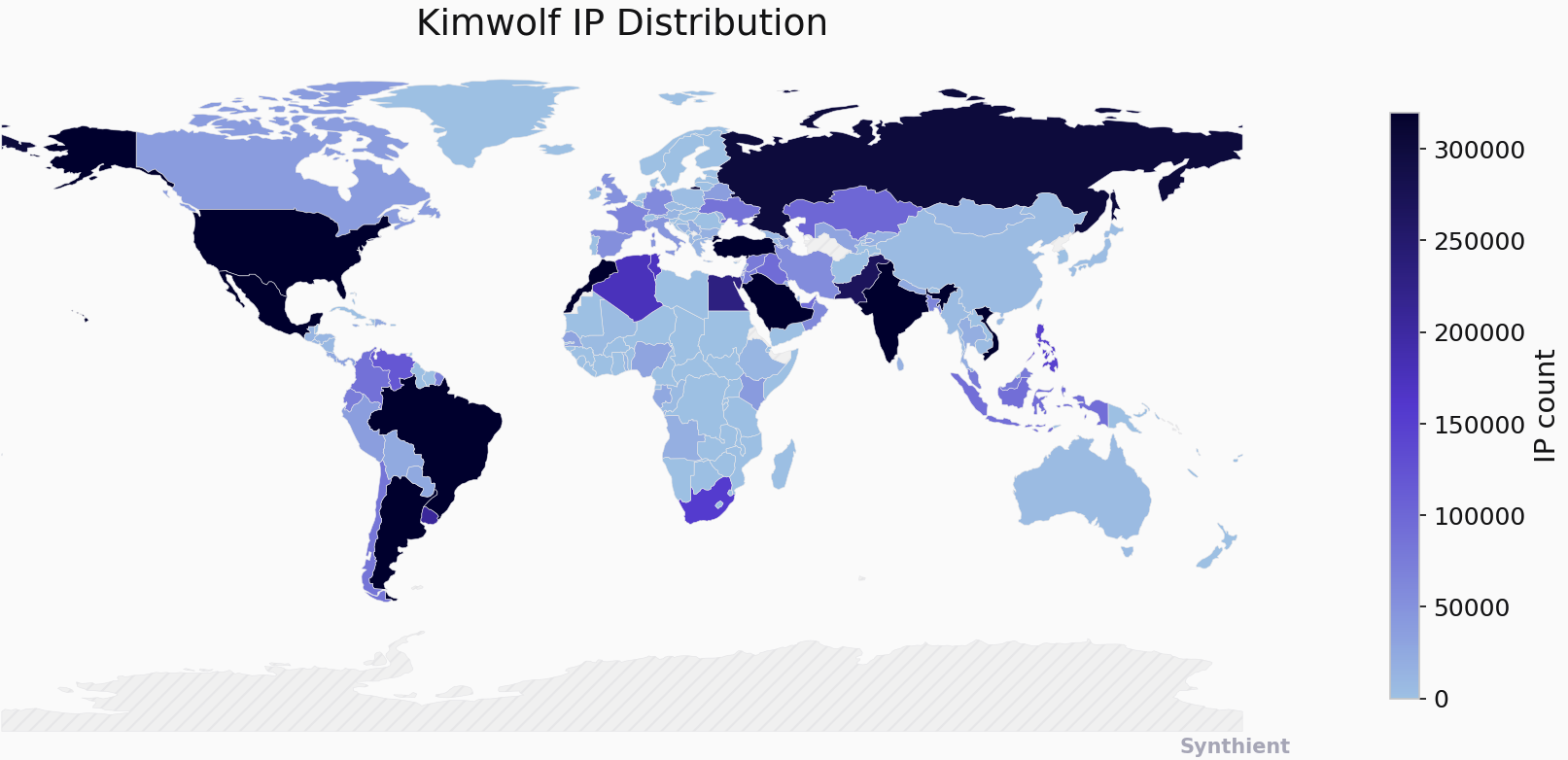
The Kimwolf Botnet is Stalking Your Local Network
The story you are reading is a series of scoops nestled inside a far more urgent Internet-wide security advisory. The vulnerability at issue has been exploited for months already, and it's time for a broader awareness of the threat. The short version is that everything you thought you knew about the security of the internal network behind your Internet router probably is now dangerously out of date.

Kimwolf Botnet Lurking in Corporate, Govt. Networks
A new Internet-of-Things botnet called Kimwolf has spread to more than 2 million devices, forcing infected systems to participate in massive distributed denial-of-service (DDoS) attacks and to relay other malicious and abusive Internet traffic. Kimwolf's ability to scan the local networks of compromised systems for other IoT devices to infect makes it a sobering threat to organizations, and new research reveals Kimwolf is surprisingly prevalent in government and corporate networks.
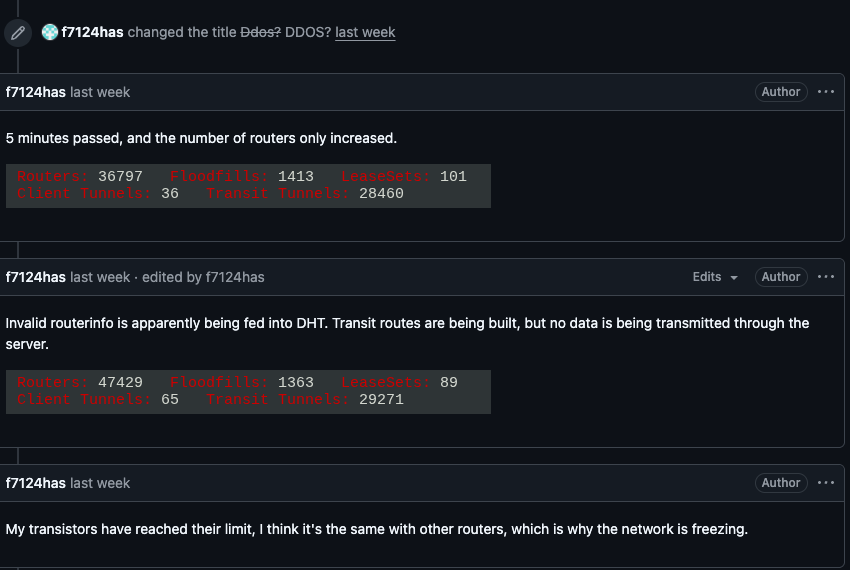
Kimwolf Botnet Swamps Anonymity Network I2P
For the past week, the massive "Internet of Things" (IoT) botnet known as Kimwolf has been disrupting the The Invisible Internet Project (I2P), a decentralized, encrypted communications network designed to anonymize and secure online communications. I2P users started reporting disruptions in the network around the same time the Kimwolf botmasters began relying on it to evade takedown attempts against the botnet's control servers.
Epstein Files: Here’s Why the Internet Is on Fire - YNaija
Der Artikel behandelt die aktuellen Diskussionen und das öffentliche Interesse an den Epstein-Akten, die neue Informationen und Spekulationen über die Verwicklungen von Jeffrey Epstein und seinen Kontakten aufwerfen. Die Reaktionen im Internet sind vielfältig und zeigen ein starkes Engagement der Nutzer.

Big-Tech-Lobbying: Erst machen, dann lieber nicht reguliert werden
Big-Tech-Unternehmen finden verschiedene Wege, die EU-Politik zu beeinflussen. – Alle Rechte vorbehalten IMAGO / Pond5 ImagesAutomatisch abgespielte Inhalte, personalisierte Werbung, Gamification – solche Elemente sollen Internet-Nutzer*innen heimlich beeinflussen. Dagegen soll der Digital Fairness Act helfen. Doch gegen die Pläne der EU-Kommission lobbyieren Big-Tech-Firmen wie Meta und Google, zeigt eine Untersuchung von Corporate Europe Observatory.

Gesetzentwurf: Vorratsdatenspeicherung deutlich länger als drei Monate
Stefanie Hubig (SPD), Bundesjustizministerin. – Alle Rechte vorbehalten Europäische UnionDie geplante Vorratsdatenspeicherung von IP-Adressen steht in der Kritik. Die großen Internetanbieter weisen darauf hin, dass die Pläne der Justizministerin zu vielen Monaten Speicherzwang führen würden und daher rechtswidrig sind. Doch schon die eigentlich geplanten drei Monate Speicherpflicht sind mit nichts begründet.

Freiwillige Chatkontrolle: Ausnahmeregel wird zum zweiten Mal verlängert
Stimmt Chatkontrolle zähneknirschend zu: SPD-Abgeordnete Birgit Sippel. – Alle Rechte vorbehalten Europäisches ParlamentInternet-Dienste dürfen die Kommunikation ihrer Nutzer scannen, obwohl das eigentlich verboten ist. Die EU-Gesetzgeber wollen eine vorübergehende Ausnahme der Datenschutzrichtlinie zum zweiten Mal verlängern. Grundrechts-Eingriffe müssen verhältnismäßig sein, aber niemand kann die Verhältnismäßigkeit belegen.
Frequently Asked Questions
Q:What are the Epstein Files and why is there significant online discussion about them?
The Epstein Files refer to documents related to Jeffrey Epstein that have sparked widespread interest and debate on the internet due to their implications and the high-profile individuals involved.
Q:What is the Kimwolf Botnet and how does it affect the I2P anonymity network?
The Kimwolf Botnet is a network of compromised devices that has been reported to overwhelm the I2P anonymity network, potentially compromising user privacy and security.
Q:What is the current state of big tech lobbying regarding internet regulation?
Big tech companies are engaging in lobbying efforts to influence internet regulation, often seeking to delay or avoid stricter regulations.
Q:What does the new legislation regarding data retention entail?
The new legislation proposes extending data retention periods significantly beyond three months, affecting how long user data can be stored by service providers.
Q:What is the status of voluntary chat control measures?
The voluntary chat control measures have been extended for a second time, allowing for ongoing monitoring of online communications under certain conditions.