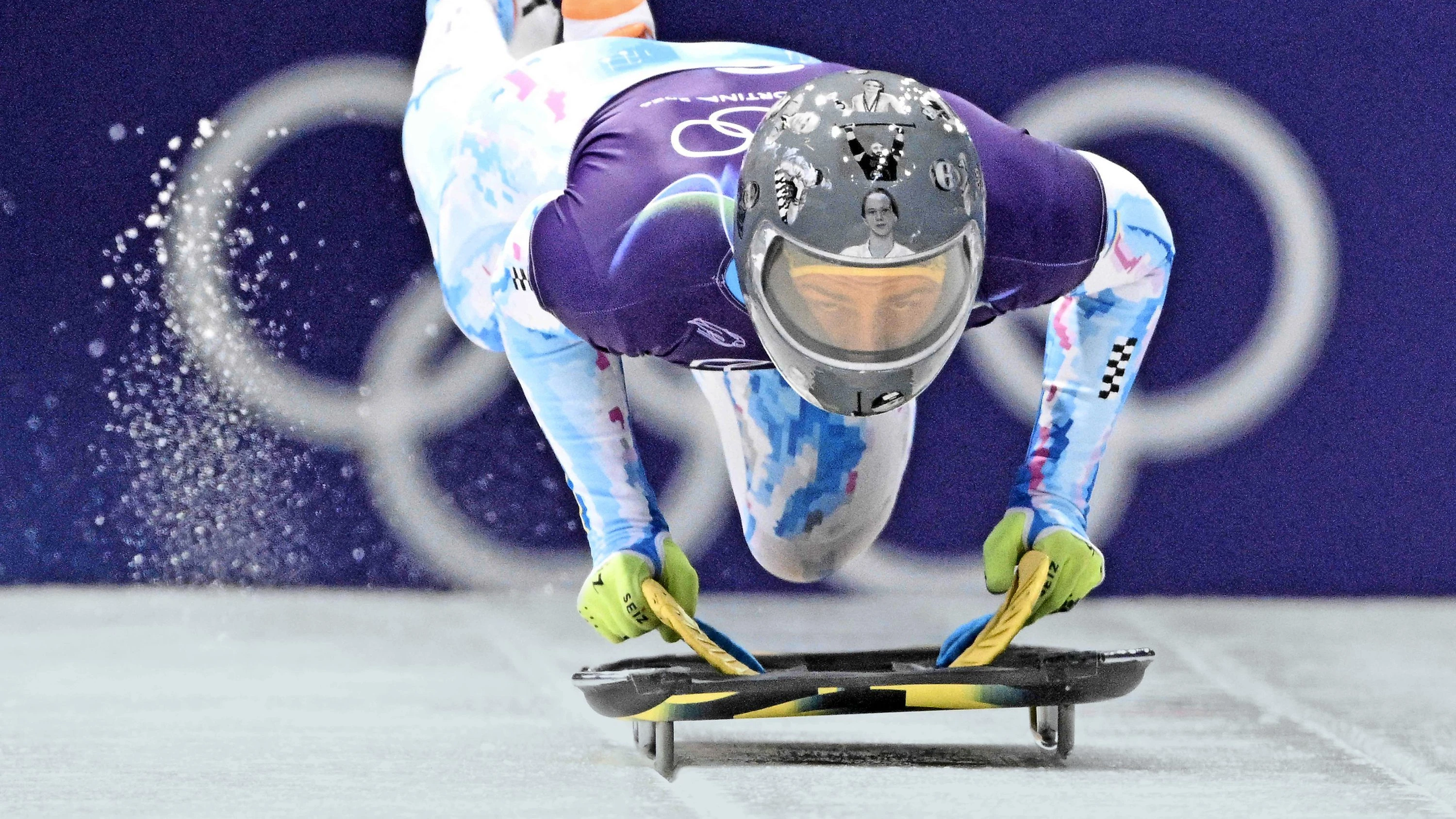
Helm-Eklat um Ukrainer: „Sie haben mir meinen olympischen Moment gestohlen“
Totengedenken auf dem Helm? Nicht im Wettkampf! Das IOC wertet Wladyslaw Heraskewytschs Kopfschutz als Meinungsäußerung zum falschen Zeitpunkt und nimmt den Ukrainer aus dem Rennen – angeblich zum Wohle aller Athleten.
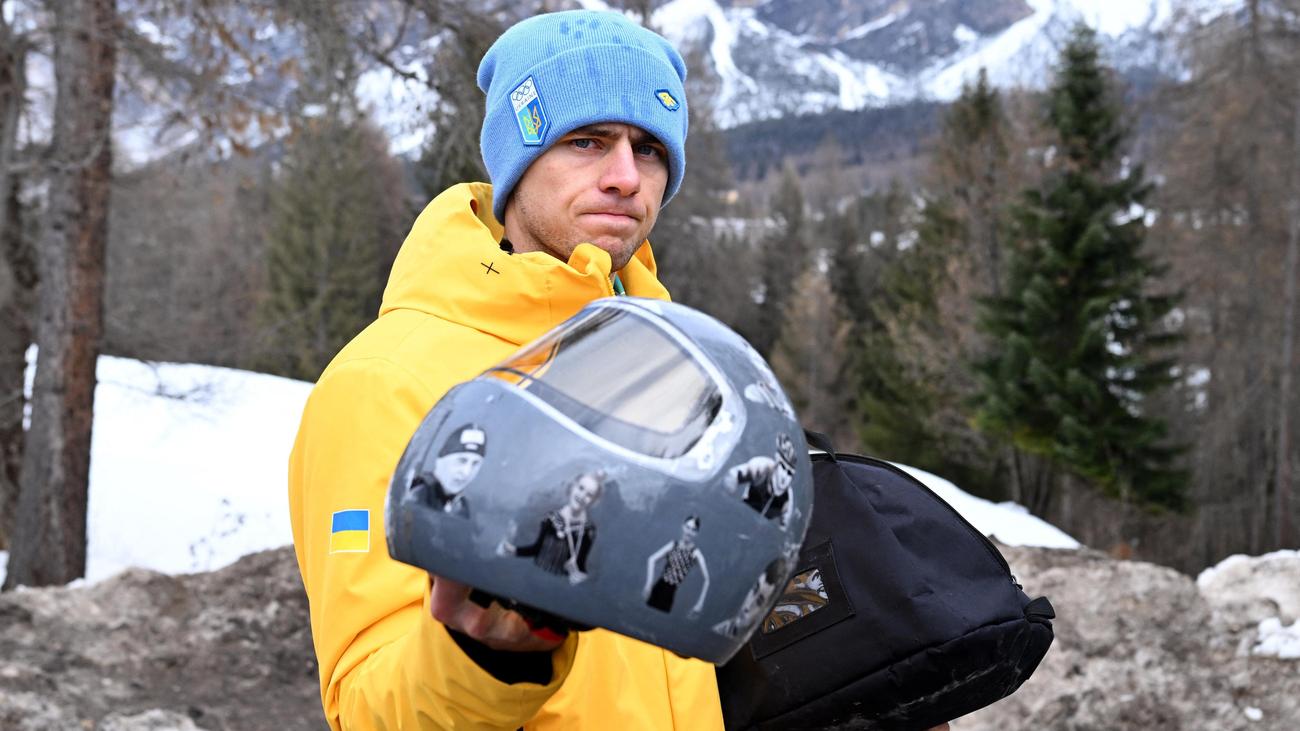
Olympische Winterspiele 2026: EU-Abgeordnete fordern IOC zum Umdenken im Fall Heraskewytsch auf
EU-Abgeordnete haben den Internationalen Olympischen Komitee (IOC) aufgefordert, seine Entscheidung bezüglich des Skeleton-Piloten Wladyslaw Heraskewytsch zu überdenken. Sie argumentieren, dass sein Helm, der dem Totengedenken dient, dem olympischen Gedanken entspricht.
Olympische Winterspiele 2026: EU-Abgeordnete fordern IOC zum Umdenken im Fall Heraskewytsch auf
EU-Abgeordnete kritisieren den Umgang mit dem Skeleton-Piloten Wladyslaw Heraskewytsch. Dessen Helm zum Totengedenken entspreche dem "Kern des olympischen Gedankens".
Frequently Asked Questions
Q:What is the main issue being raised by EU parliamentarians regarding the 2026 Winter Olympics?
EU parliamentarians are urging the International Olympic Committee (IOC) to reconsider its stance on the case of Heraskewytsch.
Q:Why are EU parliamentarians calling for a change in the IOC's decision?
The call for change is prompted by concerns over fairness and representation in the context of the 2026 Winter Olympics.
Q:What incident is referred to as the 'Helm-Eklat' involving a Ukrainian athlete?
The 'Helm-Eklat' refers to a situation where a Ukrainian athlete expressed that their Olympic moment was taken away from them.
Q:How have Ukrainian athletes reacted to the decisions made by the IOC?
Ukrainian athletes have expressed frustration and disappointment, feeling that their opportunities to compete were compromised.
Q:What is the significance of the 2026 Winter Olympics in relation to the issues raised?
The 2026 Winter Olympics serve as a platform for addressing broader issues of athlete representation and fairness in international sports.