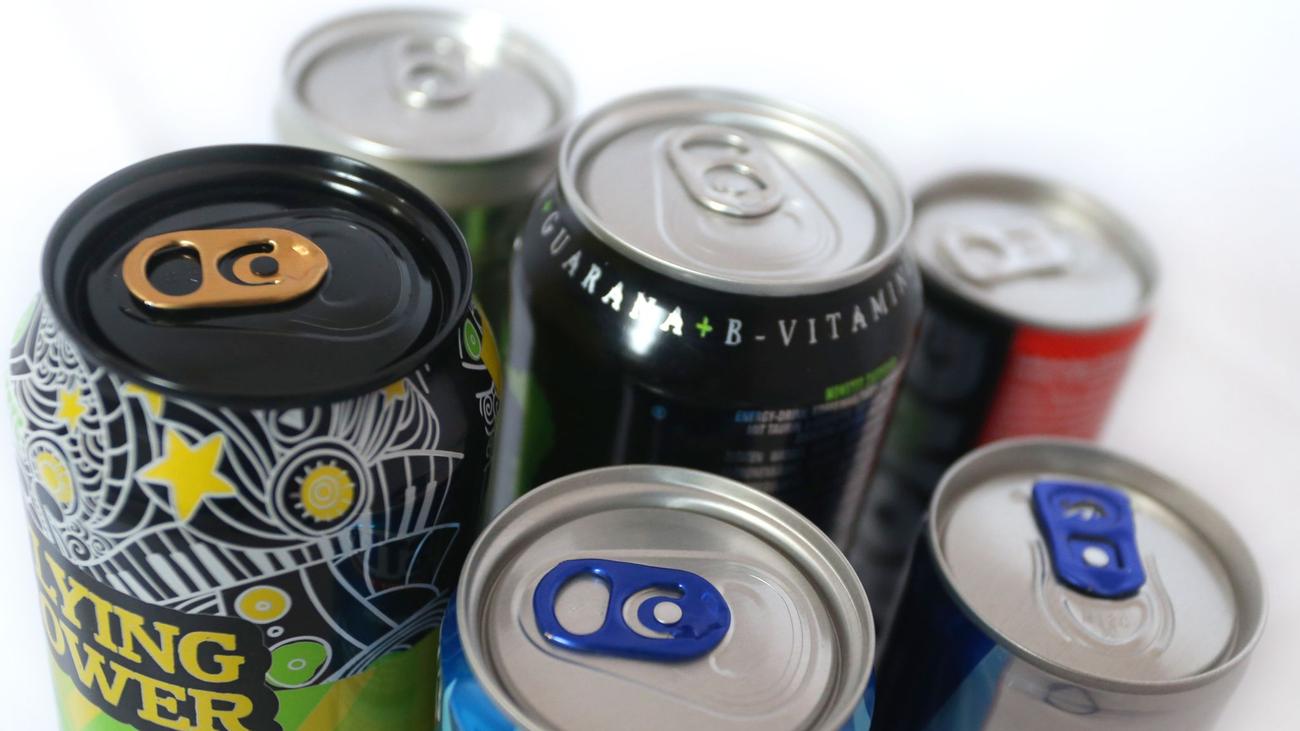
Gesundheitsschutz: Norden fordert Energydrink-Verbot für Kinder und Jugendliche
Die norddeutschen Bundesländer fordern ein Verbot von Energydrinks für Kinder und Jugendliche, um gesundheitliche Risiken zu minimieren. Dies geschieht im Kontext wachsender Bedenken über die Auswirkungen von Koffein und Zucker auf junge Menschen.

Zucker: Deutschland produziert 93 Liter an Cola, Limo und Co. pro Kopf
Rechnerisch nehmen die Deutschen jeden Tag 38 Stück Würfelzucker zu sich, viel davon über Getränke wie Cola und Limos. Auch wenn die gesundheitlichen Risiken bekannt sind, gibt es hierzulande kaum Regularien.
Frequently Asked Questions
Q:What is the recent proposal regarding energy drinks for children and adolescents in the Norden region?
The Norden region is calling for a ban on energy drinks for children and adolescents.
Q:How much soda and soft drinks does Germany produce per capita?
Germany produces 93 liters of cola, lemonade, and similar beverages per capita.
Q:What health concerns are associated with energy drinks for young people?
Health concerns include potential negative effects on physical and mental health due to high caffeine and sugar content.
Q:What types of beverages are included in Germany's per capita production figure?
The figure includes cola, lemonade, and other similar soft drinks.
Q:Is there a movement to regulate sugary drinks in Germany?
Yes, there are discussions and proposals aimed at regulating sugary drinks, particularly for children and adolescents.